
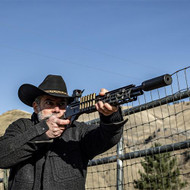
Why should I consider a muzzle brake for my lever action rifle?
Posted by Ranger Point Team on Dec 25th 2025
Muzzle brakes cut felt recoil and muzzle climb so you stay on target for faster follow ups and experience less shooter fatigue. That translates into better accuracy in hunting and competition. Measured brake performance varies with design and caliber, but controlled tests show typical reductions of roughly 20 to 50 percent and manufacturer claims for high performance brakes can be higher on specific rifles. Use cases for lever guns include .45-70 brush guns, .444 Marlin mountain rifles, and high-recoil lever builds that benefit from brake installs. PrecisionRifleBlog.com+1
How do muzzle brakes work and why does that matter for levering guns?
Muzzle brakes redirect gas exiting the bore so some of the gas momentum pushes the muzzle in a direction that counters recoil. The physics is straightforward: redirect gas rearward or to the sides and the reaction force reduces rearward recoil and muzzle rise. Different port geometries create different balance between recoil reduction and lateral blast. This gas redirection is the same principle whether your rifle is a bolt gun or a lever action; the only difference is fitment and timing on lever guns with tubular magazines or slim barrels. Wikipedia+1
Which muzzle brake designs work best on lever-action rifles?
Below are common designs and what they do for lever guns.
Side-port brakes
• Reduce rearward recoil and help manage rise.
• Tend to blow gas to the sides which can be loud to bystanders.
3-port and multi-port designs
• Spread the gas over multiple vectors to balance recoil reduction and muzzle climb control.
• Often good for beefy lever rifles where both rise and rearward force matter.
Radial and concentric designs
• Offer a lower-profile look and can reduce some blast to the sides but may give slightly less recoil reduction than big multi-port brakes.
Measured testing shows that well-engineered multi-port brakes usually deliver the highest recoil percent reductions while radial designs trade a bit of peak reduction for a tamer side blast. bulletin.accurateshooter.com+1
What recoil reduction can I actually expect by caliber?
These are practical ranges based on comparative tests and industry data. Real-world results depend on rifle weight, stock, ammo, and brake design.
Estimated recoil reduction ranges
• .45-70 Government: 25 to 55 percent typical; premium brakes sometimes claim higher. TrailBlissHub+1
• .444 Marlin and .450 Marlin: 20 to 50 percent typical depending on brake size and timing. TrailBlissHub
• .30-30 Winchester: 15 to 40 percent typical; lighter benefit but still meaningful for follow-ups. PrecisionRifleBlog.com
• .44 Magnum (rifle-length): 20 to 45 percent typical on heavy loads. TrailBlissHub
For context, a comprehensive muzzle brake test database shows wide spread by model with many brakes reducing recoil force in the 30 to 50 percent band on larger cartridges under instrumented testing. That means a shooter may feel recoil drop from punishing to very manageable in many cases. bulletin.accurateshooter.com+1
Which brakes do we recommend for lever-action calibers?
Below are RPP and industry-recommended choices with compatibility notes and installation difficulty ratings.
- RPP T-Rex / Comet Series (RPP Henry T-Rex 45-70 & 45 Colt) - Compatibility: Henry X 45-70, Henry 45 Colt models listed on product page. Claimed recoil reduction: approx 25 percent for the RPP Comet-style brakes per product listing. Installation difficulty: Easy to Moderate. Notes: blue Loctite plus hand-tighten and follow RPP clocking instructions. Ranger Point Precision+1
- Browning Recoil Hawg - Compatibility: large-bore lever platforms and bolt guns with matching thread pitch. Manufacturer claims up to 76 percent reduction on some test setups. Installation difficulty: Moderate. Note that the Recoil Hawg is a high-performance multi-chamber design favored by heavy-bore shooters. browning.com
- Midwest Industries Lever Gun Two Chamber Brake - Compatibility: common lever models with specified thread sizes. Installation difficulty: Easy. Notes: designed for lever actions, two chamber geometry reduces rise. midwestindustriesinc.com
- Spearhead / T-REX style for Marlin 1895 and Ruger Marlin reissues - Compatibility: Marlin/Ruger 1895 families with specified thread pitch. Installation difficulty: Moderate. Notes: low-profile radial or timed brakes are often preferred for clearance under tubular magazines. Spearhead Machine+1
- Custom radial brakes (Spearhead, Kinetic Research style) - Compatibility: where threading, O.D., and timing permit. Installation difficulty: Moderate to Hard depending on shimming and clocking needs. Spearhead Machine
Use the product pages for exact thread pitch, outer diameter, and fitment notes for your model. RPP lists model-fit options and fitting tips for many lever-platform brakes.
How do I install a muzzle brake on a lever action rifle?
Installation boils down to three things: correct threading, correct clocking or timing, and correct torque.
Threading and fit
• Confirm your barrel thread pitch and shoulder diameter before ordering a brake. Many lever guns use common threads such as 5/8x24 or 3/4x20 but consult your product listing. Use the exact thread spec from the manufacturer or product page. Spearhead Machine+1
Clocking or timing
• Brakes must be oriented so ports do not vent directly upward or into sight lines. Some designs use shims or crush washers. If the brake is timed by shims, follow the maker’s instructions. If shims are not provided, gunsmith fitting may be necessary. savagearms.com
Torque specifications
• Follow the manufacturer torque spec. Common guidance for many brakes fall between 20 and 30 ft-lbs for medium threads, but specific brakes and thread sizes vary. Some high-performance brakes and suppressor-host devices specify higher torque. When in doubt follow the brake maker or use a gunsmith. Examples from manufacturers recommend torque values in the 20 to 30 ft-lb band for many modern muzzle devices. advanced-armament.com+1
Installation difficulty ratings
• Easy: slip-on or crush-washer brakes for barrels with common threads when no timing is required.
• Moderate: brakes requiring blue Loctite, hand-torqueing and minor clocking/shim adjustments.
• Hard: brakes that require exact timing via shims, re-profiling of barrel shoulder, or gunsmith headspace checks. If your install affects headspace or requires barrel work, seek a qualified gunsmith.
RPP often recommends using blue Loctite and hand-tightening on certain models. For any timed brake or suppressor-host work consult a gunsmith for safe, repeatable installation.
What about noise and blast? What should shooters expect?
Muzzle brakes concentrate gases and typically increase sound and side blast for the shooter and bystanders. Measured tests show perceptible decibel increases behind and to the side of the muzzle, sometimes enough to make unsuppressed shooting without quality hearing protection risky. Use active hearing protection and consider positional awareness on the range. Tests show that while a brake greatly reduces perceived recoil, it does not reduce peak sound pressure from the muzzle and may increase side-facing decibel exposure.
Caliber-specific recommendations and quick comparison table
Caliber Recommendation Table
|
Caliber |
Recommended Brake Type |
Typical Recoil Reduction |
RPP / Industry Picks |
|
.45-70 Govt |
Multi-chamber or high-flow 3+ port brake |
25–55% |
RPP T-Rex / Browning Recoil Hawg. (Ranger Point Precision) |
|
.444 Marlin |
3-port / multi-chamber |
20–50% |
Spearhead, Recoil Hawg style. (Spearhead Machine) |
|
.450 Marlin |
Heavy multi-chamber |
30–55% |
High-flow multi-chamber brakes. (TrailBlissHub) |
|
.30-30 Win |
Radial or small multi-port |
15–40% |
Low-profile Comet or radial designs. (PrecisionRifleBlog.com) |
|
.44 Magnum (rifle) |
2–3 port multi-chamber |
20–45% |
Comet style or small Hawg-type. (TrailBlissHub) |
Always confirm exact fitment, thread pitch, and OD to clear magazine tubes and mounts before purchase. RPP’s product pages list fitment notes for each SKU.
How do I choose the right brake for my hunting style and rifle?
- If you shoot heavy calibers in dense brush choose maximum recoil reduction with a multi-chamber brake, but be prepared for louder side blast.
• If you hunt with partners or in confined areas choose a low-profile radial brake for a better side-blast profile.
• If you need quick follow-ups and a balanced package pick a mid-weight multi-port brake timed properly to minimize vertical comp.
• Always reconcile legal constraints on muzzle devices where relevant.
FAQs
Q1. How much recoil reduction can I expect from a muzzle brake?
Expect 15 to 55 percent reductions depending on caliber and brake design. Instrumented tests and manufacturer data put many popular designs in the 20 to 50 percent band on medium to heavy rifle cartridges. For specific numbers check independent test data or manufacturer testing for the brake you plan to buy. bulletin.accurateshooter.com+1
Q2. What is the best muzzle brake for 45-70 lever action rifles?
There is no single best brake for everyone. For heavy 45-70 recoil many shooters choose high-flow multi-chamber brakes such as the Browning Recoil Hawg or RPP’s Comet/T-Rex style parts designed for specific Henry and Marlin fitment. Confirm thread pitch and timing before purchase. browning.com+1
Q3. Will a muzzle brake affect my rifle’s accuracy?
A properly installed brake set to correct torque and clocking generally improves practical accuracy by reducing recoil and helping you stay on target. Improperly installed brakes or over-torquing can cause alignment issues. Always torque to manufacturer specs and, when in doubt, have a gunsmith fit and time the device. advanced-armament.com+1
Q4. Can I install a muzzle brake myself or do I need a gunsmith?
Many brakes are DIY-installable using a torque wrench and the correct shims or crush washer. If installation requires timing shims, thread profiling, or affects headspace consult a gunsmith. RPP product pages include installation notes to help you decide. Ranger Point Precision+1
Q5. Are muzzle brakes louder than shooting without one?
Yes. Brakes typically increase side and rear sound exposure compared to a bare muzzle. Use quality hearing protection and be mindful of bystanders. Measured tests show noticeable decibel increases in many common brake designs. PrecisionRifleBlog.com+1
Conclusion: Which muzzle brake should you buy for your lever gun?
Choose a brake that matches your rifle’s thread, O.D., and mission. For heavy lever calibers like .45-70 and .444 Marlin pick a multi-chamber brake for maximum recoil reduction. If you need a more range-friendly package pick a low-profile radial design. Follow manufacturer torque and timing instructions, prioritize hearing protection, and consult RPP’s fitment notes when selecting a model-specific brake. When done right a muzzle brake transforms a heavy-recoiling lever-action into a far more manageable, accurate, and enjoyable rifle.
Explore RPP’s lever-action muzzle brakes and model-specific fitment guides to find the right brake for your Henry, Marlin, Rossi, or Citadel build.