


-

-
On Sale!


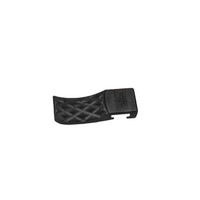
Marlin 39A and Rifles Before 1983 Pre-safety Hammer Ext…
$27.00$27.00$24.00 -


-

")
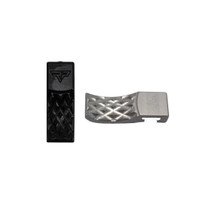


A rifle hammer extension is a small accessory that solves a practical handling problem on many lever-action rifles. When a scope or optic is mounted low over the receiver, the hammer can become harder to reach. A hammer extension moves the contact point outward, giving the shooter better access when cocking or lowering the hammer.
Hammer extensions are especially useful on scoped lever-action rifles. They can also help shooters wearing gloves, hunting in cold weather, or using rifles with compact receiver clearance. The goal is not to change how the rifle fires, but to make hammer manipulation easier and more controlled.
A Henry rifle hammer extension or hammer extension for Marlin rifles must be matched to the correct hammer profile. Fitment varies by brand, model, and sometimes production era. A part that fits one rifle may not fit another, even if both are lever- actions.
Most hammer extensions attach directly to the hammer spur using a screw or clamp-style design. Installation is typically simple, but the part must be secure and should not interfere with the receiver, scope, safety, or normal hammer travel.
The best hammer extension for lever-action rifle owners is one that provides reliable thumb purchase without adding bulk or creating clearance issues. Material, finish, and screw quality also matter because the extension is handled repeatedly during use.
Ranger Point Precision supports lever-action shooters with practical upgrades designed around real field problems. For hunters, range shooters, and scoped lever-gun owners, a hammer extension can be one of the simplest ways to improve control, especially when paired with receiver-mounted optics.
FAQs
Q1. What does a rifle hammer extension do?
A rifle hammer extension gives the shooter a wider or offset surface for cocking and lowering the hammer. It is especially useful when a scope sits over the receiver and makes the original hammer spur harder to reach. It improves access and control without changing the rifle’s firing mechanism.
Q2. Do I need a hammer extension with a scope?
Many scoped lever-action rifles benefit from a hammer extension. A scope can block direct thumb access to the hammer, especially with low-mounted optics. The extension provides better clearance and control, making it easier to operate the hammer safely and consistently when hunting, shooting from the bench, or wearing gloves.
Q3. Will a Henry rifle hammer extension fit all Henry rifles?
No. Henry hammer extension fitment depends on the specific model and hammer profile. Centerfire Henry rifles, rimfire models, and specialty models may use different parts. Always check the product fitment details before ordering a hammer extension for a Henry rifle, especially if the rifle has been modified.
Q4. Are hammer extensions available for Marlin rifles?
Yes, hammer extensions are commonly used on Marlin lever-action rifles, especially scoped Marlin 336, 1895, and 1894 models. Fitment still matters because hammer shape and production era can vary. Choose a hammer extension specifically listed for your Marlin model rather than assuming universal compatibility.
Q5. Will the same hammer extension fit both the Rossi R92 and R95?
Yes. Ranger Point Precision's Rossi hammer extension fits both the Rossi R92 and Rossi R95 lever-action rifles. Both models use the same hammer extension, making it easier to safely cock the hammer when using a scope or other optic. Always verify your specific model and any aftermarket modifications before ordering.
Q6. Does a hammer extension affect trigger pull?
No, a properly installed hammer extension should not change trigger pull weight, trigger break, or sear engagement. It only changes the external contact point on the hammer. If trigger feel changes after installation, stop using the rifle and have the installation inspected before live fire.
Q7. Is a hammer extension hard to install?
Most hammer extensions are simple to install with basic tools. The key is proper alignment and secure attachment. The extension should not wobble, interfere with the receiver, contact the scope, or restrict normal hammer movement. If it does not fit cleanly, confirm compatibility before tightening or modifying anything.
Q8. Can I use a hammer extension while wearing gloves?
Yes. Gloved use is one of the main reasons shooters install hammer extensions. The added surface area makes it easier to cock or lower the hammer in cold weather, hunting conditions, or situations where fine thumb control is reduced. This can improve confidence and control in the field.
Q9. Are hammer extensions regulated firearm parts?
Hammer extensions are generally considered accessories rather than regulated firearm components, but laws can vary by location. They do not change the rifle’s action type, firing function, or magazine capacity. Always check current local regulations if you are unsure about any firearm modification in your area.
Q10. What finish should I choose for a hammer extension?
Choose a finish that matches your rifle and holds up to repeated handling. Black, stainless, or blued-style finishes are common depending on the rifle. Function matters more than appearance, but a matching finish can help the extension look like a natural part of the firearm.
Q11. What should I check after installing a hammer extension?
Check that the hammer moves freely, the extension is tight, the safety functions correctly, and the part does not contact the scope or receiver. Cycle and function-check the rifle before live fire. If anything binds, shifts, or feels unusual, remove the extension and inspect fitment.