
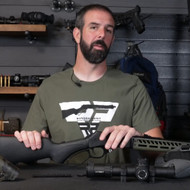
How to Mount a Scope on Your Lever Action Rifle: Step-by-Step Guide
Posted by Ranger Point Team on Jan 16th 2026
Can You Install a Scope on a Lever Action Yourself? Yes, Here’s How:
Learning how to mount a scope on a lever action rifle does not require a gunsmithing degree. With the right tools, a quality mount, and a little patience, most shooters can install their optic at home with professional-level results. Whether you are a DIY enthusiast, a first-time installer, or an experienced shooter who has only mounted scopes on bolt guns, this guide walks you through the entire lever action scope installation process with clarity and confidence.
Each make and model vary : receiver shapes vary, eye relief can be trickier to set, and screws must be torqued precisely so you do not strip soft factory threads. But once you understand the sequence, installing a scope on a lever action rifle is absolutely achievable. By the end of this guide, you will know the exact steps, torque logic and specs , alignment checks, and common pitfalls to avoid. And with a precision-machined Ranger Point rail, your optic will be sitting on the most stable foundation a lever gun can get.
Shop Ranger Point Scope Mounts:
- Henry Rail → https://rangerpointstore.com/henry-scope-rail/
- Marlin Rail → https://rangerpointstore.com/marlin-scope-rail/
What Tools and Materials Do You Need to Install a Scope on a Lever Action Rifle?
Your Complete Install Checklist
Before you learn how to mount a scope on a lever action, set yourself up for success with the right tools:
Required Tools
- Ranger Point Picatinny scope mount
- Proper-length screws (included with RPP rails)
- Torque wrench (inch-pounds), ideally 15–25 in-lbs capability
- Quality gunsmithing screwdriver set
- Blue thread locker (non-permanent)
- Degreaser or alcohol wipes
- Lint-free cloth
- Scope rings (Picatinny-compatible)
- Your optic of choice (scope or red dot)
- Bubble levels or scope leveling tool
Optional but helpful:
- Padded vise or gun cradle
- Bore sighter
Using the right tools can eliminate the majority of the problems first-time installers encounter. A high-quality mount, like the Henry or Marlin Picatinny rails from RPP, ensures proper fitment and alignment from the start.
How Do You Prepare Your Lever Action Rifle for Scope Installation?
Prep Is the Secret to a Clean and Secure Install
Before any lever action scope installation, make sure the rifle is ready:
1. Unload and Secure the Rifle
Double-check chamber and magazine. Secure the rifle horizontally in a vise or cradle.
2. Clean the Mounting Surface
Oil, moisture, and machining residue can weaken screw tension. Make sure you degrease:
- Receiver top
- Screw holes
- Underside of the mount
3. Inspect for Burrs or Surface Imperfections
Feel for any raised edges around screw holes. These can prevent the mount from seating fully, leading to accuracy issues. If needed, lightly clear burrs with a nylon brush.
4. Align the Rail Before Applying Thread Locker
Dry-fit the mount to verify:
- Flush contact
- Perfect screw alignment
- No rocking or gaps
This ensures a perfect start to the installation.
How Do You Install a Scope Mount on a Lever Action Rifle?
Step-by-Step Lever Action Scope Installation Instructions
This is the heart of how to mount a scope on a lever action. Follow each step carefully.
Step 1: Position the Mount Correctly
Place your Ranger Point Picatinny rail on the rifle so that:
- All screw holes line up
- The mount sits fully flush on the receiver
- The rail points perfectly forward with no tilt
Lever action receivers vary, so always follow the exact orientation shown in your RPP mount instructions.
Step 2: Start Screws by Hand
Thread each screw by hand where possible before torquing. This prevents:
- Cross-threading
- Misalignment
- Uneven seating
Do not apply thread locker yet.
Step 3: Apply Blue Thread Locker
Remove one screw at a time, add a tiny drop of blue thread locker, and reinstall it. This prevents any loosening while still being removable.
Tip: Avoid red Loctite unless you want those screws welded until the end of time.
Step 4: Tighten Screws in a Cross Pattern
This ensures:
- Even tension
- Flat seating
- No twist or warp in the rail
Start with the front-left screw, then rear-right, then front-right, then rear-left.
Step 5: Torque to Spec
Most lever actions require 15–25 in-lbs on mount screws.
Too loose = shifting zero.
Too tight = stripped receiver threads.
A torque driver is non-negotiable here.
Step 6: Verify Alignment
Look down the rail from the rear of the receiver:
- It should be perfectly centered
- No tilt
- No rocking/chatter
A misaligned rail means misaligned optics, which means missed shots.
How Do You Mount the Scope onto the Rail?
Proper Ring Placement, Eye Relief, and Leveling
Once the rail is installed, it is time to install the optic itself.
1. Place the Rings on the Rail
Leave them loose enough to slide.
2. Set the Scope in the Rings
Position the scope so the eye relief works for your shooting stance.
Pro tip: Set the eye relief while at your highest magnification. That is when it is least forgiving.
3. Level the Rifle and the Scope
Use bubble levels on both the rail and scope turret.
If the reticle is canted:
- Your zero will drift and your windage will be off
Take your time.
4. Tighten Ring Screws Evenly
Tighten each screw a little at a time so the gap on both sides stays symmetrical. Follow your ring manufacturer’s torque spec.
What Are the Most Common Mistakes When Installing a Scope on a Lever Action Rifle?
Avoid These Errors and Your Setup Will Run True
1. Overtightening screws
This is the fastest way to strip receiver threads.
2. Using oil instead of degreaser
Oil prevents proper screw tension.
3. Improper eye relief
If you mount too far back, enjoy getting kissed by your scope.
4. Skipping thread locker
Recoil will walk your screws loose.
5. Leveling the rifle but not the scope
Both must be leveled independently.
What Should You Do After Installing a Scope on a Lever Action Rifle?
Boresighting, Range Testing, and Final Zero
1. Boresight the Rifle
This can save ammo and speeds up the zeroing process.
2. Confirm Zero at the Range
Common lever gun zero distances:
- 50 yards for red dots
- 100 yards for LPVO or hunting scopes
3. Recheck Torque After First 20 Rounds
Initial vibration settles hardware. A quick torque check ensures long-term stability.
Ready to Install Your Scope? Start With a Precision-Made Mount.
Mounting a scope on a lever action rifle is easy to do, especially when you start with a rail designed specifically for your rifle. Ranger Point Precision rails deliver:
- Precise fitment
- Durable machining
- Hard anodized finish
- Optimized slot spacing
- Made in the USA quality
If you want a rock-solid optic setup that holds its zero no matter what adventure throws at it , start here:
Shop Ranger Point Scope Mounts:
- Henry Rail → https://rangerpointstore.com/henry-scope-rail/
- Marlin Rail → https://rangerpointstore.com/marlin-scope-rail/
Explore All Optic Mounts:
https://rangerpointstore.com/categories/optics-mounts/